What is PDRN? The "salmon DNA" skincare ingredient, explained
PDRN is the ingredient behind one of the biggest K-beauty trends of 2026. Here is what it actually is, where it comes from and what it can realistically do for your skin.
By the MUMUKI India team · Updated 4 November 2026
PDRN (polydeoxyribonucleotide) is a mix of small DNA fragments, traditionally purified from salmon or trout. In clinics it is injected to support skin repair. In serums and creams it is used for hydrated, plumper-looking, calmer skin. Topical results are gentler than injections.
PDRN in one paragraph
PDRN stands for polydeoxyribonucleotide. It is a purified mix of DNA fragments, most often taken from salmon or trout. The fragments do not carry genetic instructions into your skin. They act more like a signal: in lab and clinical research, PDRN works mainly by activating a receptor on skin cells called the adenosine A2A receptor, which is linked to calmer inflammation and cell repair (Galeano et al., 2021).
Where PDRN comes from
| Source | What it is | How much research |
|---|---|---|
| Salmon or trout | The original PDRN, purified from fish DNA | The most research, mainly on injections and wound healing |
| Plants (rose, ginseng, banana and others) | DNA-based ingredients made from plant cells | Early, mostly lab studies |
| Fermentation (microbes) | DNA ingredients grown with biotechnology | Early, mostly lab studies |
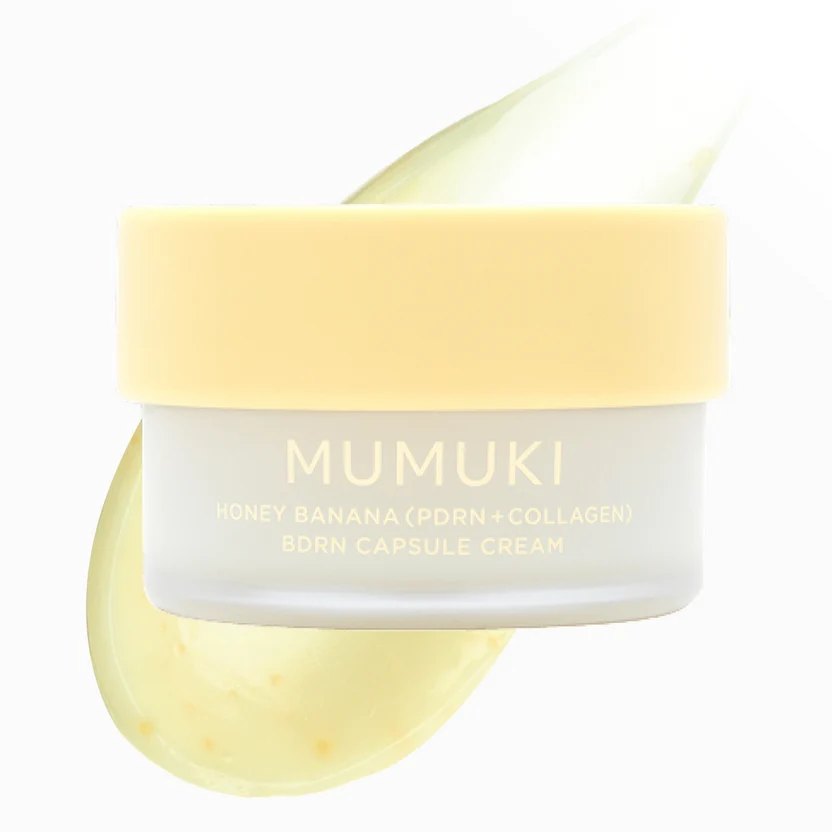
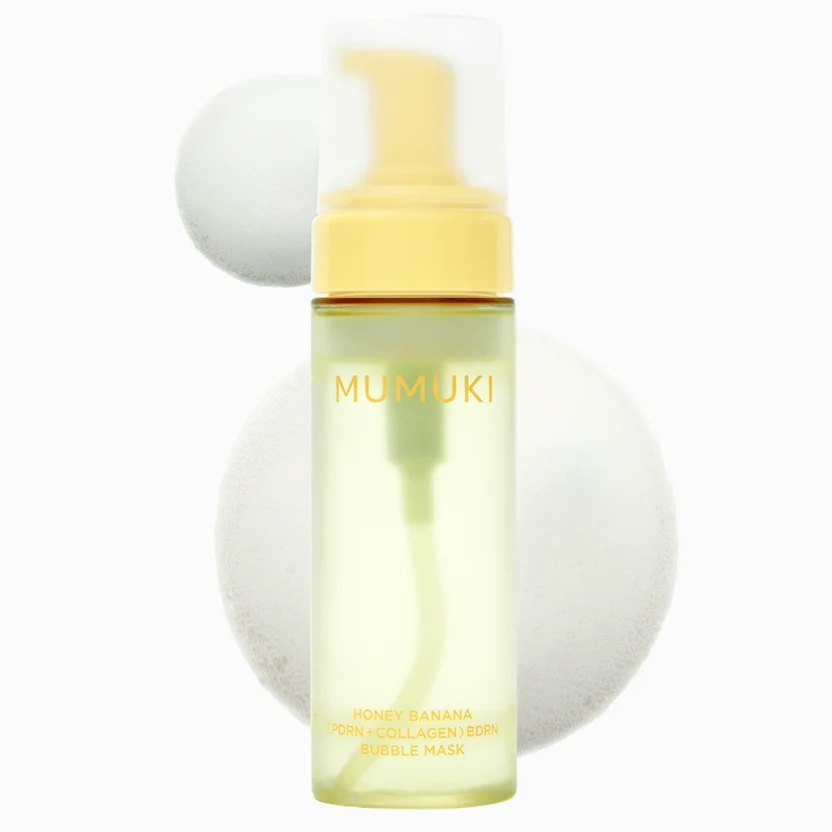
MUMUKI uses a plant version it calls BDRN, made from Jeju bananas. Read the honest comparison in plant PDRN vs salmon PDRN.
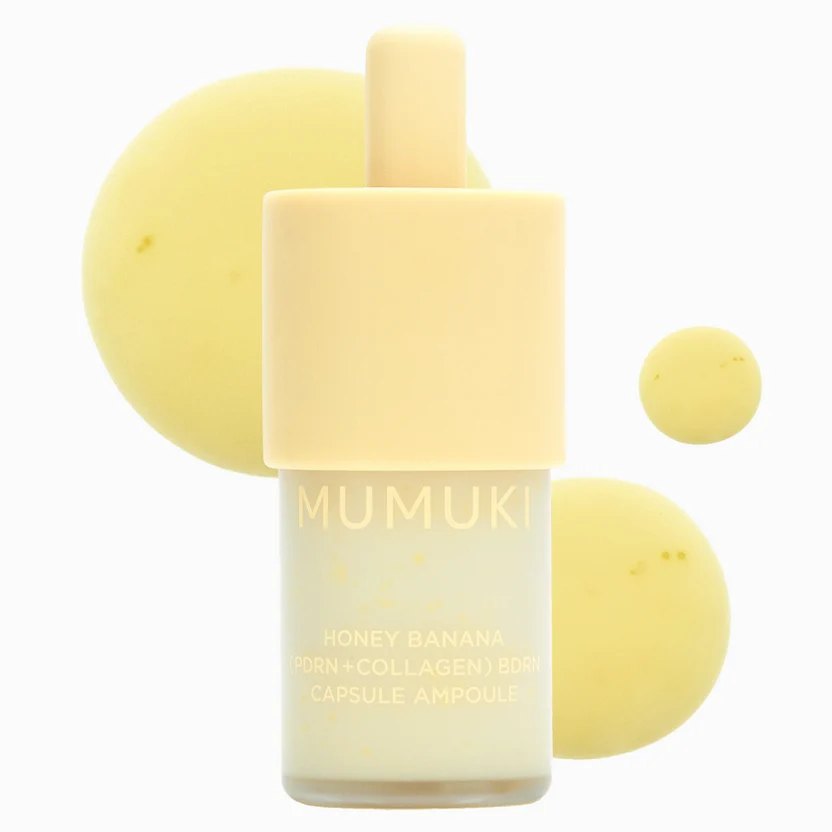
Honey Banana PDRN Capsule Ampoule
Rich, stretchy ampoule with banana PDRN & collagen that melts in with no stickiness for firm, plump, glass-glow skin.
How PDRN is used
- Injections in clinics ("skin boosters", "salmon DNA" treatments). This is where most of the evidence comes from. Reviews describe faster wound healing and a good safety record in medical use (Park & Jang, 2025).
- Serums, ampoules, creams and masks. These are applied on the skin. PDRN fragments are fairly large, so how much reaches deeper skin depends on the formula. Expect hydration, comfort and a plumper look rather than injection-level change. See PDRN serum vs injection.
What a PDRN product can realistically do
- Make skin feel more hydrated and look plumper, especially with hyaluronic acid and ceramides in the same formula.
- Help skin feel calmer and more comfortable, including after sun or a harsh product.
- Support a smoother, glowier, "glass skin" look over a few weeks of regular use.
What it cannot do: replace sunscreen, remove deep wrinkles or pigmentation in days, or work like a clinic treatment. If a product promises that, be careful.
Why PDRN became so popular in India
PDRN started in Korean dermatology clinics, then moved into K-beauty serums and masks. In India it is now found in clinic treatments and in a fast-growing number of serums. People like that it is gentle compared with strong actives such as retinol or acids, and that it suits dry, dehydrated and sensitive skin. See PDRN for Indian skin.
Who should be careful
- Anyone with a fish allergy should avoid salmon-derived PDRN or ask a doctor first.
- There is little safety data on PDRN in pregnancy and breastfeeding; ask your doctor.
- Everyone should patch test a new product. See is PDRN safe?
Frequently asked questions
Is PDRN really made from salmon sperm?
Traditional PDRN is purified from the DNA of salmon or trout sperm cells. Plant-based versions, such as MUMUKI's banana BDRN, are made from plant sources instead.
Does PDRN change your DNA?
No. PDRN fragments are used as a signal for skin cells; they do not insert genetic information into your skin.
How long does a PDRN serum take to work?
Hydration and comfort can feel better within days to two weeks. If you see a plumper, smoother look, it usually takes 4 to 8 weeks of regular use.
Is PDRN good for oily skin?
Yes, in light textures such as serums, ampoules and mists. Pair it with a gel moisturiser in humid weather.
Sources
- Galeano M, et al. Polydeoxyribonucleotide: a promising biological platform to accelerate impaired skin wound healing. Pharmaceuticals (Basel). 2021;14(11):1103.
- Park GY, Jang BC. Polydeoxyribonucleotide as a regenerative agent in dermatology and wound healing: mechanisms, clinical applications, and safety. Keimyung Med J. 2025;44(1). doi:10.46308/kmj.2025.00115
This guide is general skincare information, not medical advice. For skin conditions, allergies, pregnancy or injections, speak to a dermatologist.