Plant PDRN vs salmon PDRN: what is the difference?
Banana, rose, ginseng: plant "PDRN" is everywhere. Here is how it differs from the original salmon PDRN, and what that means for your skin.
By the MUMUKI India team · Updated 4 November 2026
Salmon PDRN is the original, with the most research behind it, mainly from injections. Plant PDRN is made from plant sources and suits people who prefer vegetarian or fish-free skincare, but its research is still early. In a well-made formula both can support hydrated, plumper-looking skin.
The short comparison
| Salmon PDRN | Plant PDRN (e.g. banana BDRN) | |
|---|---|---|
| Source | Purified DNA from salmon or trout | DNA-based ingredients from plant cells |
| Research | Larger body of work, mostly injections and wound healing | Early, mostly lab and brand studies |
| Fish allergy | Avoid or ask a doctor | The PDRN itself has no fish source, but check the full formula |
| Vegetarian preference | No | The PDRN is plant-sourced; other ingredients may not be |
| Typical use | Clinic injections, serums, creams | Serums, creams, masks |
Why salmon PDRN has more evidence
PDRN was first developed from fish DNA for medical use, so most published studies, including the reviews on wound healing and skin repair, are about salmon or trout PDRN, usually injected (Galeano et al., 2021). Plant versions are newer. In cell studies, some plant PDRN, such as one made from ginseng, acted on the same skin-cell receptor (Molecules, 2023), but there is little or no research on people, and none we know of on banana PDRN.
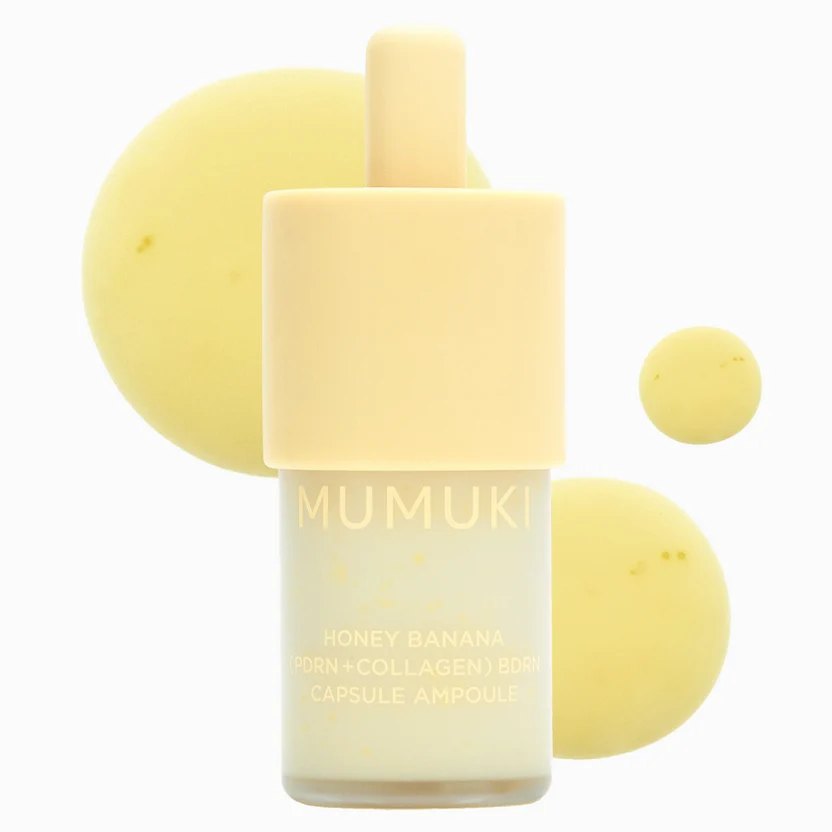
Honey Banana PDRN Capsule Ampoule
Rich, stretchy ampoule with banana PDRN & collagen that melts in with no stickiness for firm, plump, glass-glow skin.
Why many people still choose plant PDRN
- Vegetarian preference: the PDRN itself comes from plants, which matters to many Indian families. Other ingredients in the same product may still be animal-derived.
- Fish allergy: no fish source in the PDRN itself; always check the full ingredient list.
- Texture and formula: the overall formula (hyaluronic acid, ceramides, collagen, panthenol) matters as much as the PDRN source for hydration and comfort.
What MUMUKI's BDRN is
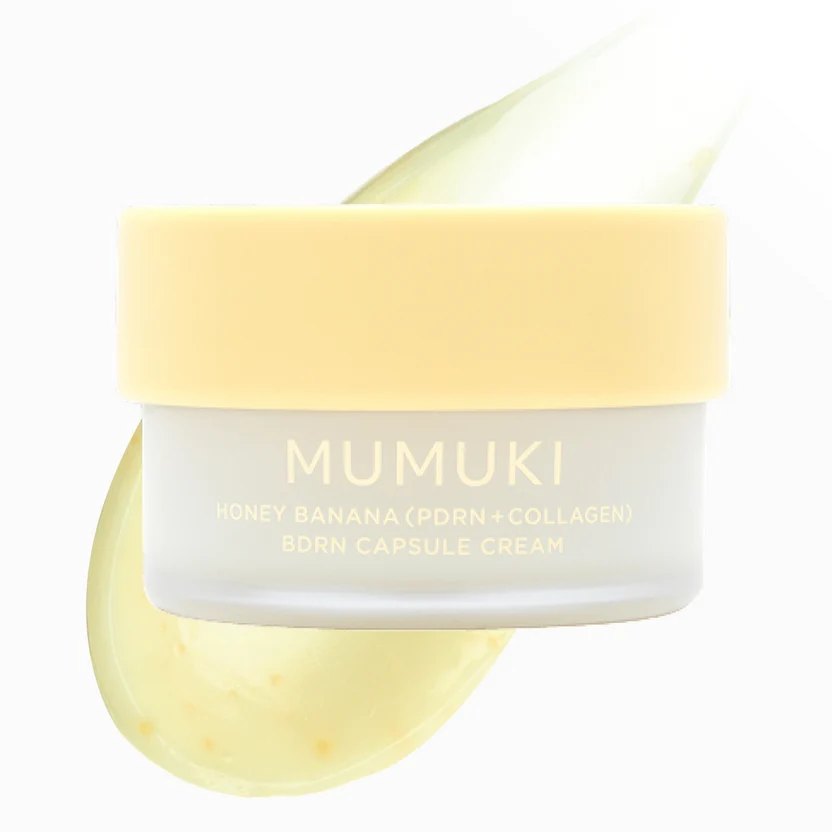
MUMUKI calls its ingredient BDRN: a PDRN-type ingredient from Jeju bananas. The brand describes it as 99% banana-derived and says that in its own tests it absorbed faster and deeper than its salmon-PDRN ampoule. That is the brand's own test, not an independent study, so we present it as such.
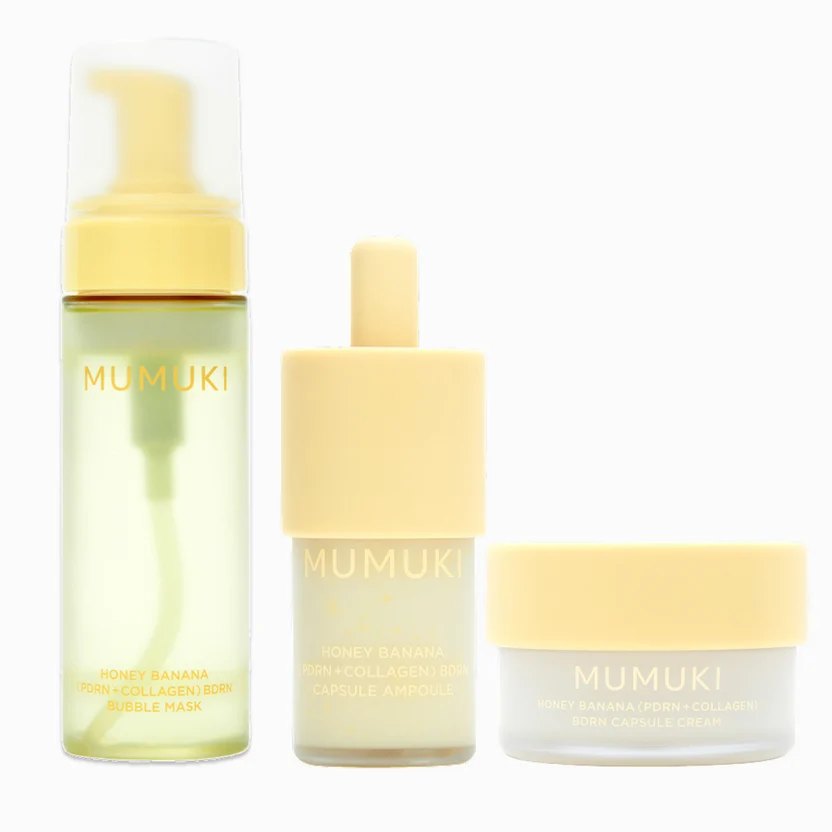
In MUMUKI products, BDRN is paired with Manuka honey, hydrolysed collagen, multi-layer hyaluronic acid, panthenol and ceramide capsules. That combination is built for hydration, a plumper look and glow, which is what most people want from a PDRN product. Some MUMUKI products also contain hydrolysed collagen, whose source the brand does not state, so if you have a fish allergy or are vegetarian, check the ingredient list and message us before buying.
How to choose
- Want the ingredient with the longest research history and have no fish allergy? Salmon PDRN.
- Prefer vegetarian or fish-free skincare, or have a fish allergy? Plant PDRN, but check every ingredient, not just the PDRN.
- Either way: check the full ingredient list, patch test, and judge results after 4 to 8 weeks, not 4 days.
Frequently asked questions
Is plant PDRN real PDRN?
Some dermatologists use "PDRN" only for purified fish DNA and call plant versions PDRN-inspired ingredients. Brands use the name for both. What matters for you is the full formula and how your skin tolerates it.
Is banana PDRN vegan?
MUMUKI says its BDRN is banana-derived. Some MUMUKI products also contain honey and hydrolysed collagen, whose source is not stated, so they are not suitable for a strict vegan routine. Message us if you need to check a product.
Is plant PDRN better for sensitive skin?
Not automatically. Sensitive skin reacts to the whole formula. Fragrance-free products and a patch test matter more than the PDRN source.
This guide is general skincare information, not medical advice. For skin conditions, allergies, pregnancy or injections, speak to a dermatologist.